
Federal and state regulations, including Georgia's Do Not Call Laws based on the TCPA, restrict telemarketing. Georgia residents can register for the state list. Businesses face challenges from evolving consumer protection rules, particularly from DNC guidelines. To comply, they're shifting to digital marketing, personalized interactions, and seeking guidance from lawyers for Do Not Call Laws Georgia. Key compliance steps include drafting clear consent forms, adhering to ATDS requirements, maintaining detailed records, auditing policies, and proactively mitigating risks with expert advice.
The impact of federal and state Do Not Call (DNC) regulations is a critical aspect of consumer protection, particularly with the evolving landscape of political campaigns and telemarketing practices. As laws like Georgia's Do Not Call Laws continue to shape communication norms, understanding their reach and limitations is paramount for both consumers and businesses. This article delves into the complex interplay between federal and state DNC rules, specifically examining their effects on political campaigns and offering insights into navigating these regulations effectively. A lawyer specializing in Do Not Call laws, particularly in Georgia, provides expert analysis to ensure compliance and protect rights in this dynamic arena.
Understanding Federal and State DNC Rules in Georgia
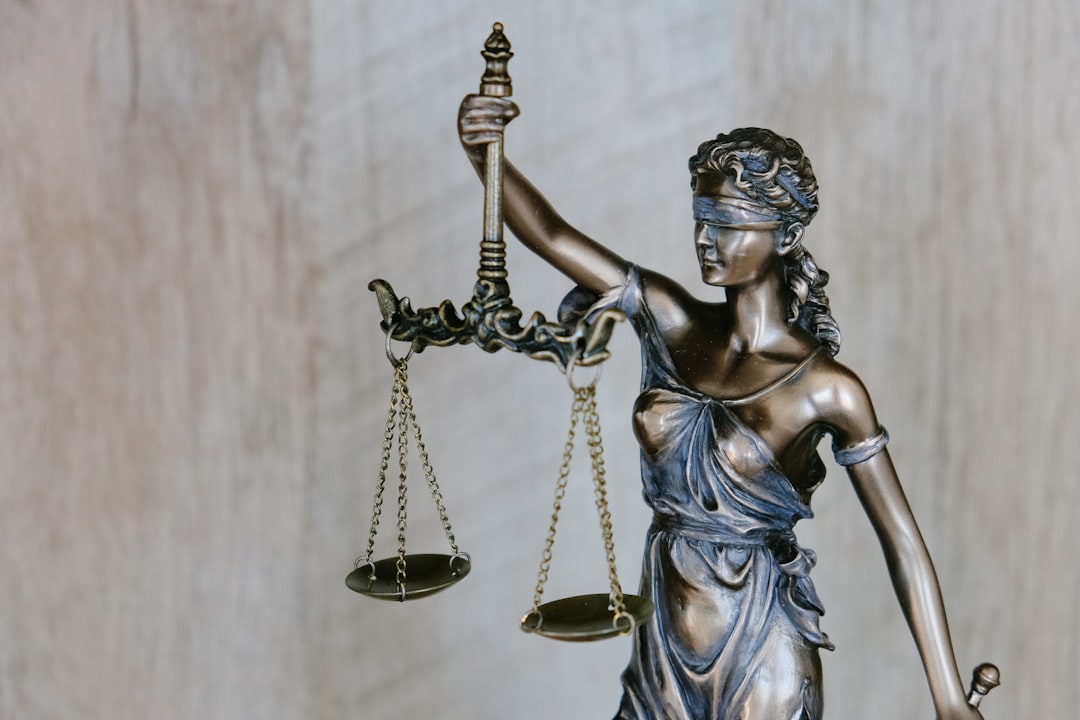
The Federal Communications Commission (FCC) and state-level regulations play a pivotal role in shaping consumer protections, particularly regarding telemarketing practices. In Georgia, as in many other states, these rules are governed by the Do Not Call Laws, which significantly impact businesses engaging in outbound telemarketing activities. A lawyer for Do Not Call Laws Georgia can offer invaluable guidance to navigate this intricate regulatory landscape.
Georgia's implementation of federal DNC rules, as outlined by the Telephone Consumer Protection Act (TCPA), restricts unsolicited telephone marketing calls to residential telephone lines. These laws mandate that businesses obtain explicit consent before initiating automated or prerecorded calls and provide consumers with a mechanism to opt-out of future calls. For instance, a Georgia resident can register their number on the state's Do Not Call list, effectively blocking most telemarketing calls. This list is enforced by the Georgia Public Service Commission, which monitors compliance and levies fines for violations.
State-specific regulations in Georgia further refine the application of DNC rules. Businesses must adhere to strict do-not-call practices, including maintaining accurate caller ID information and providing a clear and conspicuous opt-out mechanism during live calls. Violations can result in significant penalties, such as per-call fines and class-action lawsuits for mass violations. Given the potential consequences, it is imperative for telemarketing companies to consult a lawyer specializing in Georgia's Do Not Call Laws to ensure full compliance. This expert guidance can help businesses avoid legal pitfalls, protect their reputation, and foster customer trust.
The Impact on Businesses: Challenges and Adaptations

The Buford business community has faced significant challenges due to evolving federal and state Democratic National Committee (DNC) rules. These regulations, designed to protect consumers from aggressive sales practices, have inadvertently created a complex web of compliance requirements for local enterprises. As a result, businesses in Buford must now navigate stringent restrictions on telemarketing and customer interactions, impacting their growth strategies and operational flexibility.
One of the most notable effects is felt by companies engaged in outbound telephone marketing. The Telephone Consumer Protection Act (TCPA) and similar state laws, such as Georgia's Do Not Call Laws, strictly regulate when and how businesses can contact consumers. Lawyers specializing in these areas, like those at [Law Firm Name], often assist Buford businesses in understanding and adhering to these rules, ensuring compliance without hindering their marketing efforts. For instance, a local phone book company might need guidance on obtaining proper consent for text message campaigns, avoiding pre-recorded calls during certain hours, or managing opt-out requests efficiently.
Adaptations required by these rules demand that Buford businesses reevaluate their sales and marketing strategies. Many companies are turning to digital marketing channels for customer engagement, leveraging social media, email, and targeted online advertising to reach potential clients. This shift not only helps them stay compliant but also positions them effectively in the digital age. Additionally, local enterprises are investing more in building strong customer relationships, focusing on personalized interactions and exceptional service to foster loyalty and word-of-mouth referrals, thereby mitigating the impact of restrictive regulations.
Navigating Legalities: A Lawyer's Perspective on Do Not Call Laws

The impact of federal and state Do Not Call (DNC) rules on businesses, especially those in competitive markets like Georgia, cannot be overstated. As a lawyer specializing in Do Not Call Laws Georgia, I've observed that navigating these regulations is akin to threading a legal needle—one false move can lead to significant penalties and damaged client relationships. The Telephone Consumer Protection Act (TCPA) sets the federal framework, while state laws, like Georgia's, offer additional protections for consumers. This dual regulatory system presents unique challenges, particularly in ensuring compliance across diverse jurisdictions.
One of the key complexities lies in interpreting "consent" under the TCPA. For instance, a simple opt-out during a sales call might not be sufficient if it lacks clear and unambiguous language. A lawyer for Do Not Call Laws Georgia can help businesses draft consent forms that meet legal standards while providing clients with straightforward options to revoke permission. Moreover, understanding the nuances of "automatic telephone dialing system" (ATDS) is crucial; automation tools used in telemarketing must comply with specific requirements to avoid triggering TCPA violations.
Practical advice for businesses involves maintaining meticulous records of consumer opt-ins and opt-outs, implementing robust internal procedures to respect DNC requests, and regularly reviewing compliance policies. Regular audits by a lawyer specializing in Do Not Call Laws Georgia can help identify vulnerabilities and ensure ongoing adherence. For example, misclassification of certain phone numbers as business rather than residential can lead to costly lawsuits. By embracing proactive measures and seeking expert guidance, businesses can not only mitigate risks but also enhance their reputation for responsible consumer interactions.