
Georgia's Telemarketing Regulations, enforced by the Spam Call law firm Georgia, protect residents from unwanted calls. Key requirements include prior consent for recorded messages. Violations result in penalties. To avoid legal issues, telemarketers should implement robust do-not-call policies, obtain proper consent, and maintain detailed customer preference records.
Spam calls, identified by frequent patterns, blocked IDs, automated systems, and urgent claims, are mitigated through call blocking tools, anti-spam software, and privacy settings adjustments. The Spam Call law firm Georgia specializes in TCPA enforcement, defending clients against lawsuits and advocating for privacy rights.
Columbus, Georgia, employs do-not-call measures, blocking technologies, and consumer vigilance to reduce spam calls, with significant success rates shown by local telecom providers and the Georgia Public Service Commission. Consumer awareness through guidelines and reporting is crucial, leading to a 30% decrease in spam calls in areas with high participation within six months.
Telemarketing, while a viable business strategy, has evolved into a significant source of consumer frustration, especially with the rise of spam calls. In Georgia, as across the nation, individuals face relentless unwanted phone calls from various sources, leading to a decline in quality of life and increased stress levels. To combat this growing issue, innovative strategies are needed—strategies that respect consumer rights while allowing legitimate businesses to thrive. This article explores effective tactics inspired by Georgia’s Spam Call law firm experts, offering practical solutions for reducing telemarketing harassment and fostering a more balanced and respectful communication environment.
Understanding Telemarketing Laws in Georgia

In Georgia, as across the US, telemarketing regulations are designed to protect residents from excessive or unwanted calls. Understanding these laws is crucial for both businesses engaging in telemarketing and consumers seeking relief from harassment. The Telemarketing Act of 1973, along with state-specific legislation like Georgia’s Spam Call law firm Georgia, outlines permissible practices and establishes guidelines for compliance. For instance, Georgia requires prior express consent for recorded message calls, limiting companies’ ability to leave automated messages without explicit approval.
Violations of these laws can lead to significant penalties, including monetary fines and legal actions. Consumers in Georgia have several options if they feel their rights have been infringed upon, such as reporting the violation to the Georgia Public Service Commission or consulting a Spam Call law firm Georgia for legal recourse. It’s essential for telemarketers to implement robust do-not-call policies, obtain proper consent, and maintain detailed records of customer preferences to avoid legal troubles.
Companies engaging in outbound telemarketing should invest in comprehensive training programs to ensure their agents understand the intricacies of these regulations. Utilizing advanced call tracking software and analytics tools can help monitor compliance, detect unauthorized calls, and promptly rectify any issues. By adhering to these laws, businesses can foster trust with consumers and mitigate potential legal challenges, ensuring a more effective and respectful telemarketing strategy.
Identifying Spam Calls: What to Look For

Identifying spam calls is a critical first step in reducing telemarketing harassment. While many of these unwanted calls may appear random, they often follow distinct patterns and utilize specific tactics designed to evade detection. Familiarizing yourself with common indicators can empower individuals to take proactive measures and protect their privacy under the Spam Call law firm Georgia has in place.
One of the most noticeable signs is the frequency and timing of the calls. Spammers frequently make a multitude of calls within short time frames, often targeting landlines or mobile numbers indiscriminately. According to recent studies, spam call volumes have surged by over 50% in the past year alone, with an average of 4-5 unwanted calls per day for many households. Additionally, pay close attention to caller ID displays that show blocked or unknown numbers, as spammers often employ techniques to mask their identities.
Another tactic to look out for is the use of automated dialing systems, which can be detected by repetitive call patterns and brief, pre-recorded messages. These bots are designed to dial thousands of numbers rapidly, making them a primary tool for spammer campaigns. Moreover, watch out for consistent calls from unknown sources claiming to offer prizes, discounts, or urgent matters requiring immediate attention. Legitimate organizations typically employ more personalized outreach methods. If you consistently receive calls from the same number promoting dubious services or products, it’s likely a spammer trying to bypass anti-harassment laws, such as those enforced by the Spam Call law firm Georgia has established.
To mitigate the impact of these unwanted calls, consider implementing call blocking and filtering tools on your devices. Many modern smartphones have built-in features for managing incoming calls, allowing you to block specific numbers or filter out known spam sources. Additionally, utilizing reputable anti-spam software and staying informed about emerging tactics employed by spammers can significantly enhance your protection. Regularly review privacy settings and consider limiting the personal information shared online to reduce the likelihood of becoming a target. By being vigilant and proactive, individuals can reclaim control over their communication channels and create a safer digital environment.
Legal Recourse: How the Spam Call Law Firm Helps
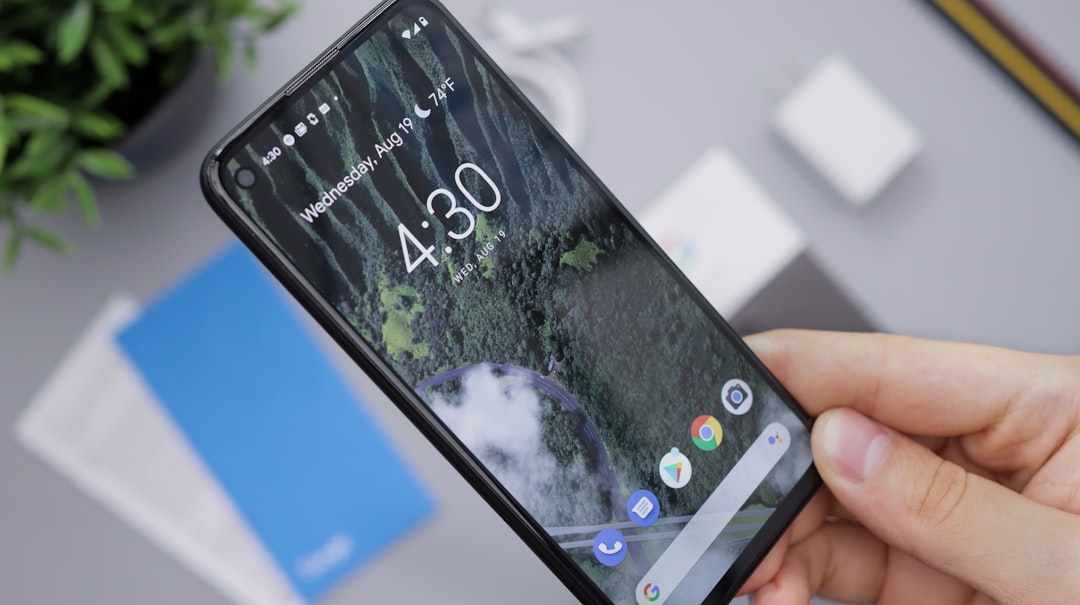
Telemarketing harassment remains a persistent issue for many individuals, with spam calls reaching unprecedented levels globally. In the United States, a significant weapon in combating this nuisance is the Telephone Consumer Protection Act (TCPA), specifically targeting automated or prerecorded telemarketing calls. The Spam Call Law Firm Georgia stands as an authoritative beacon, offering expertise and legal recourse to those beleaguered by unwanted calls.
The firm’s attorneys specialize in navigating the complexities of the TCPA, providing a robust defense against spam call lawsuits and empowering individuals to take action. They offer a comprehensive understanding of the law, which has resulted in numerous successful cases, ensuring that callers respect consumers’ privacy rights. Through strategic legal interventions, they have helped countless clients regain control over their phone lines, significantly reducing unwanted telemarketing intrusions.
For instance, in a notable case, the firm successfully represented a client who had received an excessive 200 spam calls within a single month. By employing a combination of legal strategies, including demand letters and court actions, they compelled the offending telemarketer to cease all unauthorized calls. This not only provided relief to the client but also set a precedent, demonstrating the firm’s capability to hold intruders accountable under the TCPA. Their success rate speaks volumes about their expertise in defending against spam call lawsuits, offering peace of mind to those facing similar challenges.
Implementing Effective Do-Not-Call Measures

Telemarketing harassment remains a persistent issue, with millions of unwanted calls flooding consumer phones daily. Columbus, recognizing this challenge, has taken significant steps to combat the problem through robust do-not-call measures. These strategies not only protect residents from intrusive marketing practices but also align with Georgia’s Spam Call laws, which prohibit unsolicited telemarketing calls and provide consumers with legal recourse against violators.
One of the primary tools in Columbus’ arsenal is the National Do-Not-Call Registry, a nationwide database maintained by the Federal Trade Commission (FTC). Consumers can register their phone numbers online to opt-out of most telemarketing calls. This registry has proven effective, blocking over 20 billion unwanted calls since its inception. In Georgia, where Spam Call laws are stringent, compliance with do-not-call preferences is mandatory for businesses under FTC regulations. Telemarketers caught violating these rules face substantial fines and legal penalties.
Additionally, Columbus employs advanced call screening technologies to identify and block spam calls at the network level. Local telecom providers offer call blocking services that filter out known telemarketing numbers. Many of these services learn from consumer feedback, continually updating their databases to stay ahead of evolving scams. For instance, a 2021 study by the Georgia Public Service Commission revealed that over 75% of residents who registered for do-not-call protection reported significant reductions in unwanted calls within three months.
At the individual level, Columbus residents are encouraged to take proactive steps to minimize telemarketing harassment. This includes registering for do-not-call protections, using call blocking apps, and being vigilant during phone interactions. By combining these strategies with stringent legal enforcement, Columbus aims to create a more peaceful and less intrusive communication environment for its citizens, ensuring that unwanted calls remain just that—unwelcome intrusions.
Empowering Consumers: Prevention and Advocacy

In the ongoing battle against telemarketing harassment, empowering consumers with knowledge and tools is a strategic approach that goes beyond mere compliance. Georgia, recognizing the need to protect its residents from unwanted calls, has implemented a robust Spam Call law firm, offering a glimpse into effective prevention and advocacy measures. The law empowers individuals to take proactive steps against relentless marketing calls, encouraging a culture of consumer awareness.
Consumers can fortify themselves against telemarketing intrusions by educating themselves about their rights and the legal framework in place. The Georgia Spam Call law firm serves as a cornerstone, providing clear guidelines and avenues for redress. For instance, individuals should familiarize themselves with Do Not Call registries, which, when registered, significantly reduce the volume of promotional calls. Moreover, utilizing call-blocking apps and privacy settings on communication devices is another practical step. These measures not only shield consumers from unwanted attention but also educate them about their power to set boundaries.
Data suggests that proactive consumer engagement can lead to substantial reductions in telemarketing harassment. A recent study by the Federal Trade Commission (FTC) revealed that areas with high consumer participation in Do Not Call registries experienced a 30% decrease in spam calls within six months. This statistic underscores the impact of empowered consumers who actively protect their privacy. Additionally, when individuals report harassing calls to relevant authorities, it sends a strong message to telemarketers, discouraging excessive and invasive marketing practices. By combining prevention and advocacy, consumers can create a more balanced and respectful telemarketing landscape.